
Picture this. You walk out to your car on a damp Monday morning and notice the render on your front wall has started cracking again. There are dark patches spreading near the window frames, your hallway feels cold no matter how high the thermostat goes, and the last painter you hired said the paint keeps failing because the wall underneath is the real problem.
Sound familiar? For thousands of homeowners across Leicester, Leicestershire, Birmingham, and the wider Midlands, it is. And the answer, more often than not, comes down to the external wall.
In 2026, house rendering cost in the UK typically ranges from £30 to £120 per square metre, with a standard three-bedroom semi-detached house costing between £4,000 and £9,000 for professional application. But that headline figure only tells half the story. The render type you choose, the condition of your walls, whether scaffolding is needed, and who actually does the work all have a massive bearing on what you end up paying, and how long it lasts.
This guide breaks it all down in plain terms.
What Does House Rendering Cost in 2026?

The table above gives a clear picture of what the different render systems cost per square metre. But to put those numbers into real context, here is what typical projects look like by property size in the Midlands:
A two-bedroom terraced house with around 40m² of facing wall will generally cost between £1,200 and £3,200. A three-bedroom semi-detached at around 90m² sits between £2,700 and £7,200. A larger five-bedroom detached property can reach anywhere from £9,690 to £12,075 and beyond once scaffolding, preparation, and finishing are all factored in.
These are finished project costs, not just material figures. They include labour, surface preparation, and application. What they often do not include is scaffolding, removing old render, wall repairs, or painting, so always check the detail of any quote before comparing.
| Render Type | Cost per m² | Best for | Budget Tier |
| Sand and cement | £30 – £50 | Traditional finish, needs painting | Budget |
| Acrylic / polymer | £55 – £80 | Flexible, crack-resistant, quick drying | Mid-range |
| Monocouche (coloured) | £55 – £100 | Low maintenance, no painting needed | Mid-premium |
| Silicone render | £70 – £120 | Breathable, waterproof, long lifespan | Premium |
| External wall insulation (EWI) | £70 – £120+ | Insulation + render combined, energy saving | Investment |
What Actually Affects the House Rendering Cost?

This is where most homeowners get caught out. Two identical houses on the same street can come back with very different quotes, and there are good reasons for that.
- Property size and wall area is the starting point. Renderers price per square metre of facing wall, then subtract openings for doors and windows. A bigger home with more surface area simply costs more to cover.
- The render type and finish makes an enormous difference to price. Sand and cement at £30 to £50 per m² is the traditional choice and still does a solid job, but it needs painting and is more prone to cracking if the substrate moves even slightly. Silicone render at the top end of the scale costs more upfront but is breathable, waterproof, and requires far less maintenance over its lifespan. For Midlands homeowners who want a one-time solution with long-term protection, the premium is often worth it.
- Scaffolding is often the line item that surprises people. For most two-storey homes it is unavoidable, and budgeting around £875 per week for a standard semi-detached is a reasonable expectation. It is frequently excluded from the base quote, so always ask upfront.
- Preparation and wall condition can add significantly to costs. If the existing render is blown, cracked, or hollow-sounding when tapped, it needs to come off before anything new goes on. Removing old render can add anywhere from £1,500 to £8,000 depending on the extent of the work. Crumbling mortar joints, spalled bricks, and any underlying damp also need addressing before new render is applied, otherwise the problem simply continues behind a fresh face.
- Location and labour rates do matter, but Midlands homeowners are generally in a better position than those in London or the South East. Regional competition in Leicester, Coventry, and Birmingham tends to keep rates more competitive, which is one advantage of working with an experienced local installer who knows the area and the property types.
External Wall Coatings Do More Than Look Good
This is the part that often gets overlooked in purely price-focused conversations. A properly applied render system is not just decorative. It is the first and most important line of defence for your entire wall structure.
Quality external wall coatings deliver real, measurable benefits. They prevent damp from penetrating the wall, which is the root cause of most internal moisture problems. Breathable silicone and acrylic renders actively resist water while allowing vapour to escape, which means moisture does not get trapped inside the wall structure. That trapped moisture is what leads to mould growth, both on external surfaces and inside rooms along external walls.
When combined with External Wall Insulation, a modern render system can make a dramatic difference to energy efficiency. Heat loss through uninsulated solid walls is one of the biggest energy drains in older Midlands properties, many of which were built before cavity wall construction became standard. Getting that addressed properly can lower heating bills noticeably and improve an EPC rating, which matters both for comfort now and property value later.
There is also the question of long-term structural protection. Untreated or failing render allows water to work into the wall over years, slowly degrading the brick and mortar beneath. The cost of dealing with that damage later far exceeds the cost of getting the render right today.
External Wall Insulation and Rendering Together
For older solid-wall properties across Leicester, Nottingham, and Birmingham, External Wall Insulation combined with a rendered finish is arguably the most impactful single upgrade available.
EWI involves fixing insulation boards to the external wall, then applying a reinforced base coat and a finish render over the top. The result is a fully weatherproofed, insulated external wall that can reduce heat loss significantly. Starting from £70 to £120 per m², it costs more than a straight render job, but the long-term savings on heating bills and the improvement to the home’s thermal performance make the numbers work over time.
It is also worth noting that if you are rendering more than 25% of your home’s total external walls, or 50% or more of any single wall, current building regulations require the insulation in that wall to meet thermal efficiency standards. An experienced installer will flag this early and advise on the right approach for your specific property.
Roof Coatings, Plastering, UPVC, and the Full Picture
When having external walls rendered, it makes practical and financial sense to look at the wider picture of the property’s envelope at the same time.
Roof coatings are a natural companion to external wall work. A weatherproof coating applied to a tiled or flat roof extends its lifespan and completes the job of protecting the home from above while the walls are being addressed below.
Internal plastering sometimes becomes necessary when damp ingress has already caused damage to internal wall surfaces. Addressing the external cause first, then repairing the internal damage, is the correct sequence.
UPVC doors and windows are the most common weak points for draught and heat loss even when walls are properly insulated and rendered. Ensuring frames are well-sealed and in good condition, or replacing older units that have lost their thermal efficiency, rounds out the work and means there are no gaps left in the property’s protection.
Why the Right Installer Matters as Much as the Price
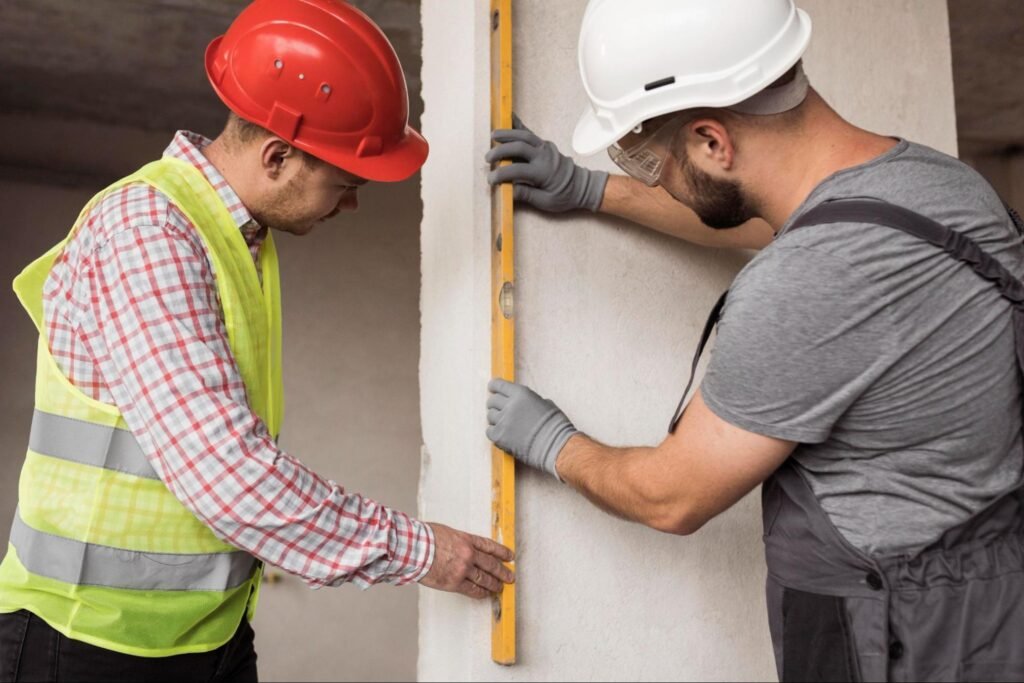
There is a reason experienced renderers are not the cheapest option in any market. Rendering is skilled work. Poor preparation, the wrong render mix, or inadequate substrate treatment leads to cracking, debonding, and water ingress, often within a couple of years. The cost of ripping that off and starting again far exceeds any saving made on the original job.
Before committing to any rendering project, look for an installer who offers a proper free survey of the property before quoting. A thorough survey identifies wall condition, substrate issues, potential damp problems, and the most appropriate render system for the home. It is the foundation of an accurate quote and a successful project.
Ask what is included in the quote in writing. Scaffolding, prep, waste removal, and painting should all be clearly listed or clearly excluded. Staged payments tied to progress rather than large upfront sums are standard practice on reputable projects. And look for a meaningful guarantee that covers both materials and workmanship, not just a promise of quality.
At Advanced Wall Protection Ltd, every job starts with a free survey, and every finished project is backed by a guarantee. The team brings years of hands-on experience with Midlands properties, from Victorian terraces in Leicester to detached homes across Leicestershire and Birmingham, which means the advice you get is grounded in the reality of what actually works in this part of the country.
The Bottom Line
House rendering cost in 2026 covers a wide range, and it should. A basic sand and cement job on a small terrace is a very different project from a full silicone render and EWI upgrade on a detached family home. What stays constant is the value of doing it properly.
The right render system, installed by experienced professionals with the right preparation and the right guarantee behind it, is one of the most effective investments a homeowner can make in their property. It protects against dampness, prevents mold, improves energy efficiency, cuts heating bills, and adds genuine curb appeal, all in one project.
If you are seeing cracked render, damp patches, or rising energy bills, the time to act is before the problem gets bigger and costlier.
Book a free survey with Advanced Wall Protection Ltd today and find out exactly what your home needs, with no obligation and no guesswork.
Frequently Asked Questions
1. How much does house rendering cost for a three-bed semi in the Midlands?
For a standard three-bedroom semi in Leicester, Birmingham, or across the Midlands, expect to pay between £4,000 and £9,000. The final figure depends on render type, wall condition, scaffolding, and whether old render needs removing first. Always get at least three itemised quotes to compare like for like.
2. How long does a house render last?
Modern silicone and monocouche renders are designed to last 20 to 30 years with minimal maintenance. Traditional sand and cement render can also last decades but typically needs periodic painting and occasional crack repairs. Preparation and application quality matter just as much as the product chosen.
3. Does rendering actually help with damp and mould?
Yes, when the right system is properly applied. Breathable silicone render stops moisture penetrating the wall while allowing trapped vapour to escape. It directly tackles the conditions behind damp staining and internal mould. It will not fix damp caused by a leaking roof or rising damp, so those should be identified and treated before rendering begins.
4. Is External Wall Insulation worth the extra cost?
For older solid-wall properties, particularly Victorian and Edwardian terraces and semis common across Leicester and Birmingham, EWI combined with rendering is one of the most effective whole-home upgrades available. It reduces heat loss, lowers heating bills, and improves EPC ratings. The upfront cost is higher, but long-term savings and improved comfort inside the home make a strong case.
5. Do I need planning permission to render my house?
Most residential rendering projects fall under permitted development rights and do not require planning permission. Exceptions include conservation areas, listed buildings, or where the local authority has removed permitted development rights. Always check with your local council if there is any doubt. Building regulations approval may also be required if the project involves insulating 25% or more of total external walls, so a qualified installer should advise on this from the start.